The Current State of Water Quality in Delhi NCR
The water quality crisis in Delhi NCR is alarming, growing increasingly critical due to multiple factors contributing to pollution. Recent reports indicate that the contamination levels of water sources in the region have risen significantly, primarily due to industrial waste discharge, untreated sewage, and agricultural runoff. A study from the Central Pollution Control Board highlights that nearly 95% of the municipal water in Delhi is contaminated by pollutants, including heavy metals and pathogens.
Industrial activity in and around Delhi NCR has been identified as a major contributor to this crisis. Factories often release toxic waste directly into water bodies without adequate treatment, leading to severe degradation of local water quality. Moreover, the infrastructural inadequacies in sewage treatment are evident, with less than 30% of sewage generated in the region being treated before it reaches natural water bodies. This unprocessed sewage is rich in bacteria and harmful chemicals, posing a significant health risk to residents.
Agricultural practices also exacerbate the situation, with the use of pesticides and fertilizers resulting in runoff that pollutes rivers and groundwater. Drinking water sources like the Yamuna River have been reported to contain harmful pathogens exceeding safe levels defined by health authorities, which is a direct factor in the rising incidence of waterborne diseases. Vulnerable populations, particularly among lower-income communities, experience heightened risks due to limited access to clean drinking water and sanitation facilities. The implications of this ongoing water quality degradation are significant, with diseases such as cholera and dysentery increasingly reported in the region.
This combination of industrial, domestic, and agricultural pollution paints a grim picture of the current state of water quality in Delhi NCR, necessitating urgent and comprehensive solutions to address these public health concerns.
Health Implications of Poor Water Quality
The decline in water quality in the Delhi NCR region poses significant health risks to its residents, primarily because of the consumption of contaminated water. When individuals drink water polluted with harmful pathogens, they are at an increased risk of developing gastrointestinal diseases such as cholera, dysentery, and gastroenteritis. These diseases can lead to severe dehydration, which is especially life-threatening for vulnerable populations such as children and the elderly. According to the World Health Organization, unsafe drinking water is a primary cause of diarrhea, leading to well over 800,000 deaths annually across the globe.
Moreover, the presence of heavy metals, including lead, arsenic, and mercury, in the water supply can have long-term health implications. Chronic exposure to heavy metals can lead to serious health issues such as kidney damage, neurological disorders, and various forms of cancer. For instance, studies have shown that lead contamination, often resulting from aging pipelines and industrial runoff, is particularly hazardous to cognitive development in children, potentially leading to long-term impairments in learning and memory.
The alarming reality of poor water quality can strain healthcare systems. Hospitals in the region often find themselves overwhelmed with cases related to waterborne diseases. An increase in hospital visits for gastrointestinal issues not only impacts the health infrastructure but also places a significant burden on medical resources and personnel. Families often face additional financial challenges due to healthcare costs associated with treating illnesses caused by contaminated water.
One notable case involved a community in East Delhi, where a sudden outbreak of cholera resulted from contaminated water supplies. The local healthcare facilities became inundated with patients, underscoring the urgent need for effective solutions to improve water quality and safeguard public health. Addressing this crisis not only requires immediate intervention but also a long-term commitment to sustain clean water access for all residents.
Local Businesses’ Attitude Towards Water Quality
In the rapidly urbanizing context of Delhi NCR, local businesses play a critical role in the overall water quality landscape. Many businesses prioritize profit margins at the expense of environmental responsibilities, which poses significant challenges to water sustainability. The neglect towards adhering to water quality standards stems from a focus on cost-cutting practices rather than investing in eco-friendly infrastructure.
Several local industries contribute to the degrading water quality crisis by discharging untreated waste into water bodies. This practice not only harms the immediate environment but also has ripple effects on public health. The lack of proactive measures in implementing advanced technologies to treat wastewater is evident among various sectors, reflecting a missed opportunity to improve water quality effectively.
However, it is important to recognize that not all businesses are complicit in this degradation. Some entrepreneurs and organizations are taking significant strides towards mitigating water quality issues in the region. These businesses demonstrate a commitment to sustainable practices, such as adopting water recycling systems and investing in filtration technologies. By engaging in corporate social responsibility initiatives and partnering with environmental NGOs, these companies set positive examples in the fight against water pollution.
The contrast between businesses that exploit natural resources without regard for water quality and those that are environmentally conscious highlights a pressing need for an industry-wide shift. Encouraging responsible practices through public awareness campaigns and policy incentives could lead to an enhanced collective approach in safeguarding water resources. Furthermore, fostering a culture where businesses recognize their role in promoting safe water quality is essential for the broader health of the community and the ecosystem.
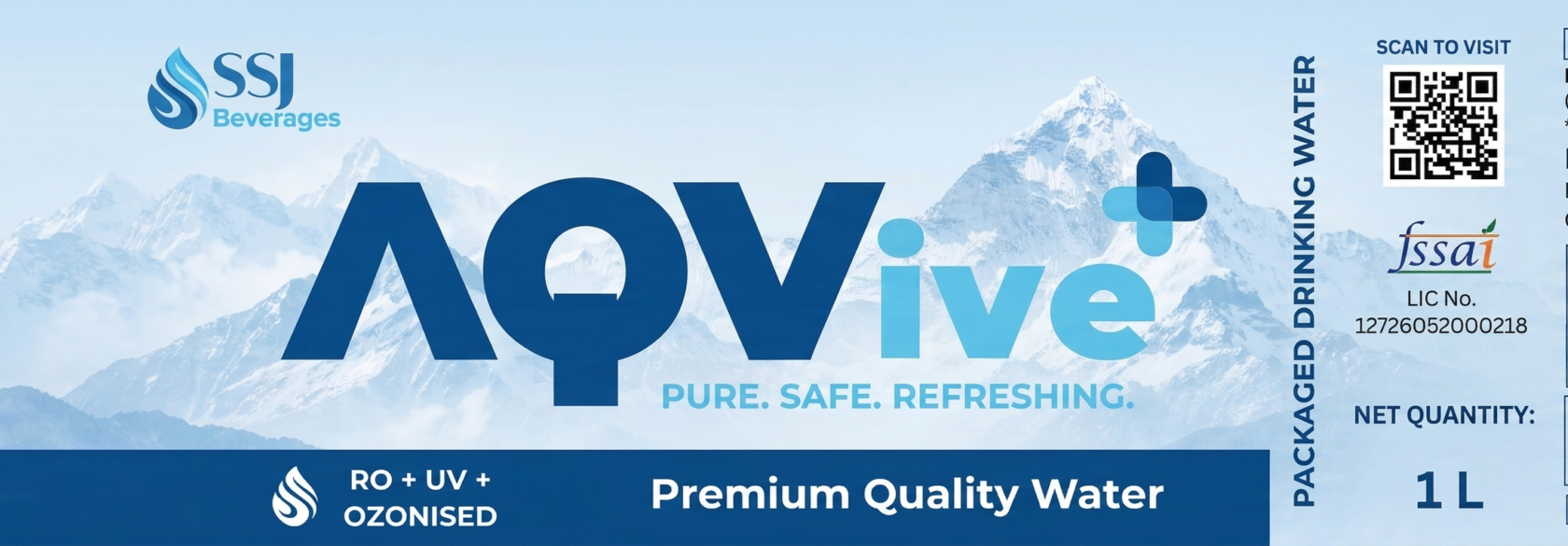
Aqwive: Bridging the Gap as a Trusted Hydration Partner
Aqwive has emerged as a pivotal player in addressing the pressing concerns surrounding water quality in the Delhi NCR region. With increasing awareness of the adverse health effects linked to contaminated water, Aqwive positions itself as a dependable hydration partner dedicated to providing high-quality water solutions. The brand’s unwavering commitment to ensuring safe, clean drinking water is at the forefront of its mission, making it a beacon of hope amidst the deteriorating water quality crisis.
The innovative purification technologies employed by Aqwive are designed not only to meet but exceed safety standards. Their systems leverage advanced filtration methods, ensuring that contaminants are effectively removed, thereby delivering water that is not only clean but also tastes fresh. Moreover, the company’s emphasis on sustainability practices reflects a broader commitment to environmental stewardship. By utilizing eco-friendly packaging and promoting water conservation, Aqwive champions responsible consumption, which is vital to sustaining community health.
In addition to its focus on product quality, Aqwive actively engages with the local community to foster health and well-being. The brand conducts awareness campaigns that educate residents about the significance of water purification and the long-term health impacts of consuming untreated water. Through workshops, collaborations with health professionals, and partnerships with local organizations, Aqwive is bridging the gap left by inadequate local businesses, promoting a culture of health awareness and collective responsibility.
By positioning itself as a trusted hydration partner, Aqwive is not only addressing the immediate water quality challenges faced by residents but is also laying the groundwork for a healthier, more informed community. Through its dedication to quality, innovation, and community engagement, Aqwive is contributing significantly to the public health landscape in Delhi NCR.